PAS 4010: what the new productivity standard means for construction materials


PAS 4010 comes into effect on 30 November 2026. It is the first BSI specification for managing productivity across UK infrastructure, and it brings material decisions firmly into scope.
What PAS 4010 is
BSI launched PAS 4010:2026 on 9 November 2026, sponsored by the Institution of Civil Engineers (ICE) and the Department for Transport. It is a specification for managing productivity on infrastructure, not a badge: clients specify it and the supply chain shows how it contributes. Requirements scale with a project’s size and risk, and there is no accredited certification route yet.
What it asks for
PAS 4010 measures productivity against a baseline and counts misused or unused material as waste. At its centre is a strategy for productivity management, owned by the client and built with the whole value chain: analyse, plan, set targets and monitor, then share what is learned. Every member of the value chain must pass opportunities to the client, and suppliers must provide transparent data on performance and resource use.
Who is committing
Infrastructure Client Group members can commit to adopting it, writing it into procurement and reporting progress every year, with a collective summary from 2027. Fifteen chief executives of leading contractors and consultants signed a letter of support. The standard is aimed at the £725bn of public infrastructure investment planned for the next decade.
The link with PAS 2080
PAS 4010 sits alongside PAS 2080, the carbon management standard, and shares its hierarchy: avoid, switch, improve. A materials decision that is more productive is often lower carbon too, so one set of evidence can serve both.
What it means for construction materials
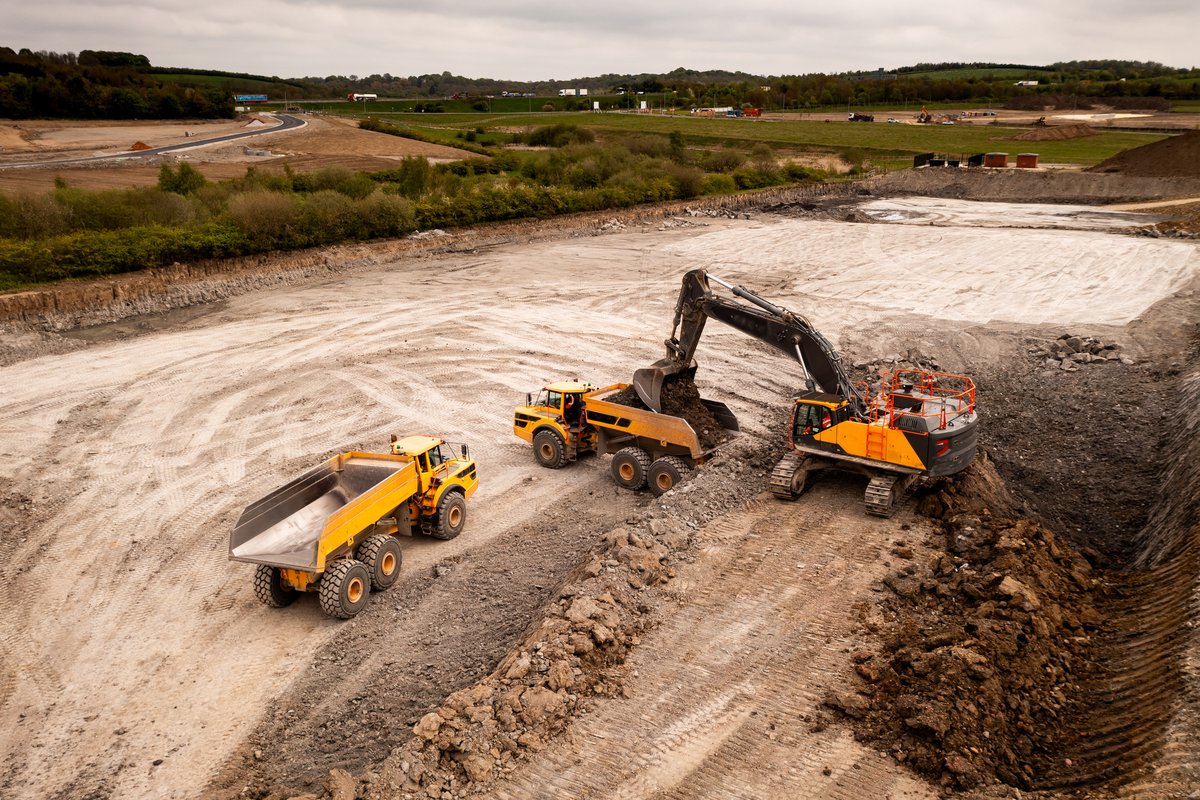
For soil and aggregates, the hierarchy is practical: reuse surplus on site or nearby, use recovered or recycled material in place of landfill or fresh supply, and cut hauls and movements. The ICE’s guidance cites a water programme that reused excavated material as pipe bedding, sparing 83,500 m³ of fresh aggregate.
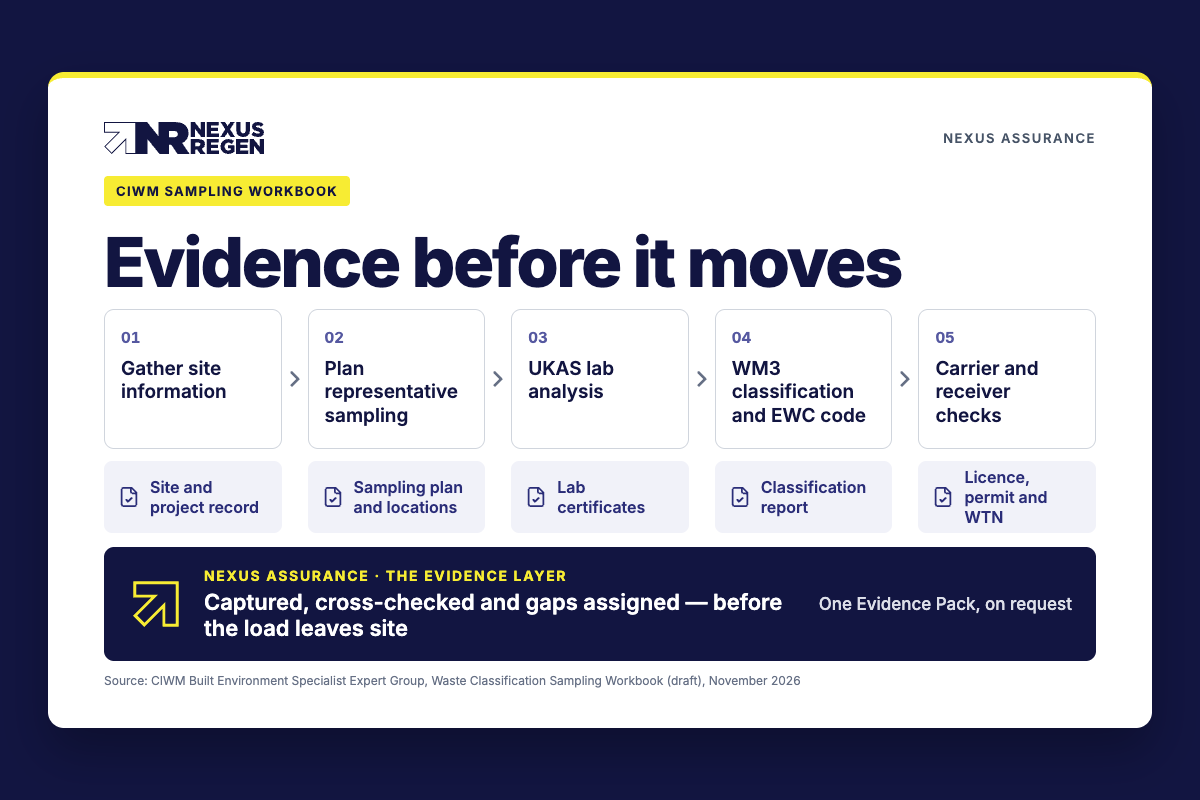
The harder part is the evidence: the options considered and why some were ruled out, a baseline for savings, consistent units, and a clear line between estimated and realised figures. On most sites, that still sits in tickets, emails and spreadsheets.
Claiming conformity
PAS 4010 has no conformity clause of its own. The ICE’s guidance sets out three routes: third-party certification (still to be developed), independent validation or self-validation. A claim covers an organisation’s own process on a defined project, with evidence set out clause by clause. With PAS 2080, clients claimed first and the expectation cascaded down the supply chain. PAS 4010 is likely to follow the same path.
Where Nexus ReGen fits
Nexus ReGen doesn’t certify conformity. The Materials Exchange Platform and Nexus Assurance capture the materials evidence that feeds a client’s productivity strategy and carbon reporting. To talk through how that maps to your programme, get in touch at nexusregen.com/contact.
Less cost. Less risk. Less carbon.
Sources
Figures correct as at 16 November 2026. PAS 4010 and PAS 2080 are published by BSI. This article is produced independently by Nexus ReGen and is not affiliated with or endorsed by BSI, the ICE or the ICG.